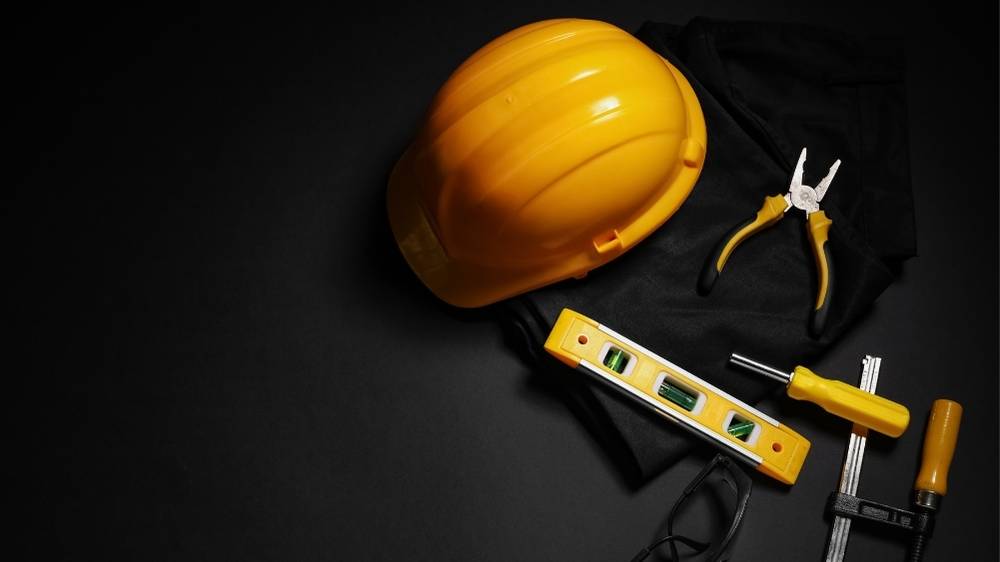
The reality of stepping into a management role
When you first step into a management position, the focus is often on productivity, hitting targets, and managing budgets. However, there is a massive part of the job that people rarely talk about in detail during the interview process: the legal and moral responsibility for the people working under you. It can feel a bit overwhelming when you realise that the well-being of your team rests on your shoulders. This is exactly why so many professionals find that IOSH managing safely is the most practical step they can take to bridge the gap between being a good boss and being a responsible leader.
The beauty of this specific programme is that it isn’t designed for health and safety experts. It is built specifically for managers and supervisors in any sector who need to understand what they actually need to do in their day-to-day roles. It strips away the complex jargon and focuses on the practicalities of keeping people out of harm’s way while keeping the business running smoothly. Whether you are overseeing a construction site, managing a busy office, or running a retail outlet, the principles remain the same.

What makes this course different from standard health and safety training
Most of us have sat through generic safety briefings that feel like a tick-box exercise. You watch a few slides, sign a sheet, and forget everything ten minutes later. That is not what happens here. The reason why so many businesses prioritise this qualification is that it changes the internal culture of a team. It moves health and safety from being a ‘boring HR requirement’ to being a core part of how a business operates.
One of the biggest realisations managers have during the course is that safety and productivity are not enemies. In fact, they are closely linked. A safe workplace is an efficient workplace. When you understand how to identify hazards before they become accidents, you save the company time, money, and, most importantly, you protect your colleagues from injury. The course gives you the tools to lead by example, showing your team that their safety is a priority, which in turn boosts morale and loyalty.
The core modules you will actually use
The content of the course is broken down into manageable chunks that cover the full spectrum of a manager’s responsibilities. It is designed to be engaging and interactive, ensuring that the knowledge actually sticks. Here is a look at the key areas usually covered:
- Introducing managing safely: Why it matters and the role of a manager in the bigger picture.
- Assessing risks: Learning how to carry out a proper risk assessment that actually reflects the reality of the work.
- Controlling risks: Identifying the best ways to reduce risks, from physical barriers to changing work patterns.
- Understanding responsibilities: A clear look at the law and what is expected of you as a leader.
- Understanding hazards: Recognising common workplace dangers like electricity, chemicals, or even stress.
- Investigating incidents: Knowing what to do when things go wrong and how to prevent them from happening again.
- Measuring performance: How to check if your safety measures are actually working.
Why businesses are still prioritising this qualification
In the modern business world, reputation is everything. A company that has a poor safety record will struggle to attract top talent and may find it difficult to win new contracts. By having managers who have completed the IOSH managing safely course, a company can demonstrate that it takes its obligations seriously. It provides a globally recognised benchmark that tells clients and employees alike that the organisation is run professionally.
From a purely financial perspective, the cost of the training is a fraction of the cost of a single workplace accident. Fines from the Health and Safety Executive (HSE) in the UK have increased significantly in recent years, and legal fees can be astronomical. More importantly, the human cost of an accident is something no manager wants on their conscience. By investing in this training, you are essentially ‘future-proofing’ your career and your department against avoidable disasters.
Practical benefits for your daily routine
It is easy to think of health and safety as extra paperwork, but the right training actually helps you organise your workload better. When you know how to spot a hazard quickly, you can deal with it immediately rather than waiting for a problem to escalate. This proactive approach saves a huge amount of time in the long run. Some of the practical benefits include:
- Improved confidence when speaking to senior leadership about safety requirements.
- A more structured approach to team briefings and tool-box talks.
- Better understanding of how to document safety checks without drowning in files.
- The ability to influence the behaviour of staff members who might be cutting corners.
How the assessment process works
One of the reasons people sometimes feel nervous about professional qualifications is the fear of a high-pressure exam. However, the assessment for this course is designed to be fair and reflective of what you have learned. It usually consists of two parts: a multiple-choice test and a practical risk assessment project. The project is particularly valuable because it allows you to apply what you have learned directly to your own workplace. You aren’t just memorising facts; you are creating a document that could actually improve safety in your office or warehouse the very next day.
The multiple-choice part ensures you have grasped the legal and technical basics, while the project proves you can put those basics into action. This dual approach is why the certificate carries so much weight in the industry. It proves that you don’t just know the theory; you know how to be a safer, more effective manager in the real world.

Choosing the right path for your development
Deciding to take the leap and get certified is a significant step in professional development. It marks the transition from being someone who just ‘does’ the job to someone who ‘manages’ the environment. When looking for a provider, it is important to choose one that understands the pressures of modern management. You want a training environment that is supportive and focused on real-world application rather than just reading from a textbook.
Many managers find that taking the course alongside peers from other industries is incredibly helpful. It allows for a cross-pollination of ideas and shows that the challenges of managing people safely are universal. Whether you are dealing with heavy machinery or ergonomic issues in a digital agency, the fundamental human element remains the same. By prioritising this training, you are making a clear statement about the kind of leader you want to be: one who is competent, responsible, and genuinely cares about the people they lead.
Long-term career impact
In a competitive job market, having a recognised safety qualification on your CV can be a major differentiator. Employers are looking for managers who can hit the ground running without needing constant supervision on basic compliance issues. Having this certification shows that you have taken the initiative to master a vital part of the management toolkit. It opens doors to higher-level roles where safety responsibility is a non-negotiable requirement, and it gives you the peace of mind that you are doing your job to the highest possible standard.
The skills you learn are transferable across almost any industry, making it one of the most versatile qualifications a professional can hold. As work environments continue to evolve with new technologies and hybrid working models, the ability to assess and manage risk will only become more valuable. Staying ahead of these changes requires a solid foundation in the principles of safety management, ensuring that no matter how the workplace changes, the people within it remain protected and productive.

A seasoned news writer focused on current events and social dynamics. Felicity’s work explores how global and national developments shape everyday conversations and public perception.